

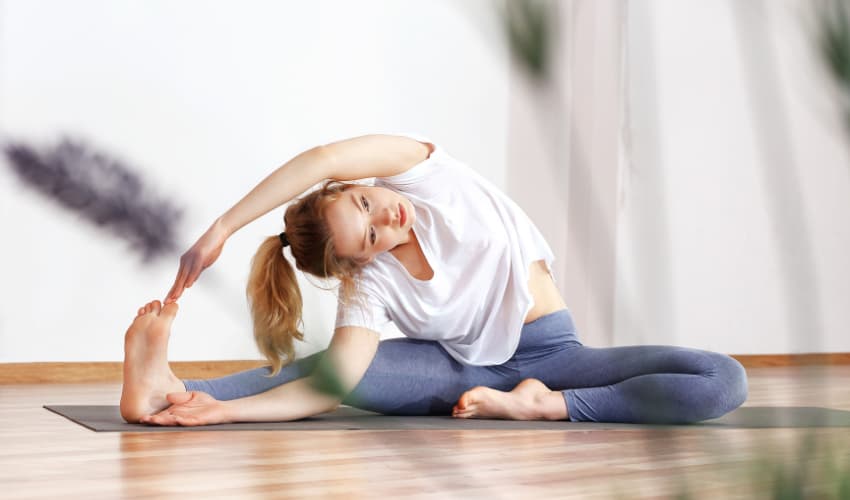
Starting a yoga practice at home can feel overwhelming, especially if you’re new to the discipline. The good news is that hatha yoga offers an ideal entry point. With its steady pace, longer posture holds, and emphasis on breath control and alignment, it is one of the most accessible forms of yoga for home practice.
Whether you’re balancing a busy work schedule, managing a household, or simply prefer privacy, building a consistent hatha yoga routine at home is possible with the right guidance, environment, and mindset.
Why Choose Hatha Yoga for Home Practice?
Hatha yoga is slower than other styles, which gives you time to understand each pose, make corrections, and ease into your breath. This makes it well-suited for beginners and home practitioners who may not have an instructor physically present.
Benefits of hatha yoga at home include:
-
No commute or class schedule pressure
-
Practising at your own pace
-
Personalised focus on areas of tension or weakness
-
Convenience and cost-effectiveness
-
Enhanced body awareness in a comfortable space
If you’ve always wanted to begin yoga but weren’t sure how to start, hatha yoga at home is a safe and fulfilling way to take the first step.
Setting Up Your Home Yoga Space
Creating a dedicated space for your practice makes a big difference in consistency and experience.
1. Choose a Quiet Corner
Pick a place in your home with minimal foot traffic and distractions. A quiet bedroom corner, balcony, or living room space can be ideal.
2. Keep It Clean and Uncluttered
Clutter distracts the mind. A clear, tidy space promotes calm and focus. Natural lighting is a bonus, but not essential.
3. Gather Basic Equipment
You don’t need expensive gear to get started. Here’s what you’ll need:
-
Yoga mat – Choose one with a non-slip surface for stability.
-
Blocks – Useful for modifying poses or providing support.
-
Strap – Helps deepen stretches or maintain alignment.
-
Cushion or folded blanket – For seated postures or meditation comfort.
-
Water bottle and towel – Stay hydrated and dry.
You can also use household alternatives such as books (for blocks) or a scarf (for straps) if needed.
Structuring Your First Hatha Yoga Session
A hatha yoga session typically includes warm-up, postures, breathwork, and final relaxation. Here’s a suggested 30-minute beginner routine:
1. Centering and Breath Awareness (3–5 mins)
-
Sit comfortably.
-
Close your eyes and observe your breath without trying to change it.
-
Begin deep belly breathing: inhale for 4 counts, exhale for 4 counts.
2. Warm-Up (5 mins)
-
Neck rolls
-
Shoulder rolls
-
Cat-Cow stretches (Marjaryasana/Bitilasana)
-
Seated spinal twist
3. Standing Postures (10 mins)
-
Tadasana (Mountain Pose)
-
Utkatasana (Chair Pose)
-
Virabhadrasana I (Warrior I)
-
Trikonasana (Triangle Pose)
Hold each pose for 3–5 breaths. Focus on steady breath and balanced effort.
4. Floor Postures (7 mins)
-
Baddha Konasana (Bound Angle Pose)
-
Janu Sirsasana (Head-to-Knee Pose)
-
Setu Bandhasana (Bridge Pose)
5. Pranayama (3 mins)
-
Try Nadi Shodhana (alternate nostril breathing) to balance both sides of the body and calm the mind.
6. Final Relaxation – Savasana (5 mins)
-
Lie on your back with arms and legs extended.
-
Let go of control over the breath.
-
Allow the body to absorb the practice.
Common Mistakes Beginners Should Avoid
Starting at home means taking responsibility for your own form and progress. Avoiding these common pitfalls can help prevent injury and discouragement:
-
Skipping warm-up or cool-down – These are essential to prepare the body and avoid strain.
-
Holding the breath – Always maintain steady, conscious breathing.
-
Forcing flexibility – Focus on alignment, not how far you can stretch.
-
Comparing yourself to videos – Everyone’s body is different. Respect your unique range.
-
Inconsistent practice – Even 10 minutes daily is more effective than long sessions once a week.
Tips to Stay Motivated at Home
Home practice comes with challenges like distractions, self-doubt, or simply forgetting to unroll the mat. Here’s how to overcome them:
-
Schedule your yoga time like an important meeting
-
Use visual cues – leave your mat out as a reminder
-
Keep a yoga journal – note how you feel before and after each session
-
Join virtual classes occasionally to stay inspired
-
Celebrate small wins like holding a pose longer or improving breath control
Over time, you’ll build intrinsic motivation as you begin to feel the mental and physical benefits.
How Hatha Yoga Builds Self-Discipline
One of the subtle benefits of practising hatha yoga at home is the cultivation of self-discipline. Since no one is watching or pushing you, every time you show up for practice, you strengthen willpower, self-trust, and consistency. These qualities extend beyond the mat into daily life.
This mindful commitment is something students at Yoga Edition often express as life-changing. It’s not about perfect poses, but about making time for yourself, tuning into your body, and showing up with presence.
FAQs
Q. I have a small space at home. Can I still practise hatha yoga effectively?
A. Yes. A space as small as the size of a yoga mat is sufficient. Focus on seated, standing, and floor postures that require minimal movement.
Q. How often should I practise hatha yoga as a beginner?
A. Start with 3–4 sessions per week of 20–30 minutes. Once comfortable, you can increase frequency or duration based on your lifestyle.
Q. Should I follow online videos or just practise on my own?
A. Beginners benefit from guided sessions. Use online videos, live classes, or apps with certified instructors to learn proper alignment and sequences.
Q. Can I do hatha yoga even if I have no prior fitness background?
A. Absolutely. Hatha yoga is gentle and slow-paced, making it ideal for individuals of all fitness levels, including complete beginners.
Q. What’s the best time of day to practise hatha yoga at home?
A. Early morning or evening are ideal. Practising in the morning sets a positive tone for the day, while evening practice helps unwind and relieve accumulated tension.