

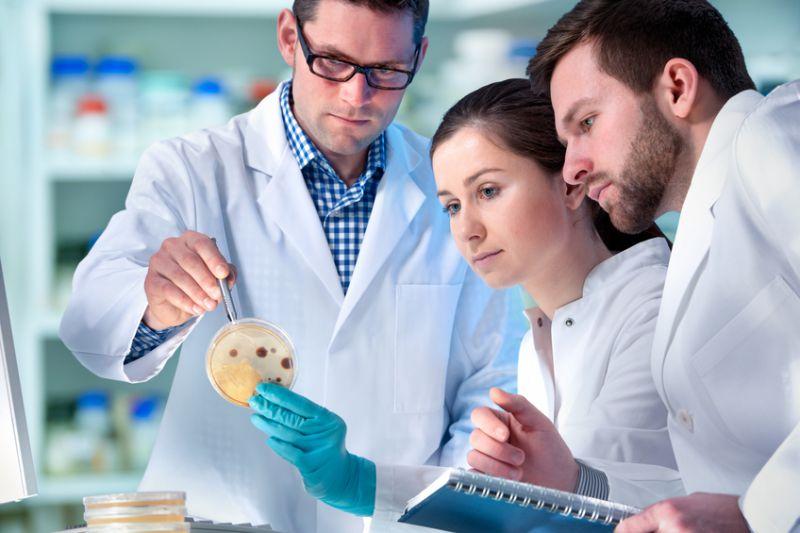
Introduction: Medicine as the Mirror of Humanity
The practice of medicine is perhaps one of the most profound testaments to human advancement, compassion, and intellect. It is the science of healing, the art of care, and the architecture behind the longevity and well-being of civilizations. From the herbal remedies of ancient healers to the precision-driven interventions of modern surgeons, medicine has never stood still. It evolves in tandem with our understanding of the human body, society, and technology. Today, as we stand at the intersection of biology and artificial intelligence, medicine is entering a new renaissance—one that promises not only longer life, but a better quality of life.
Understanding the Scope of Medicine
Medicine is a vast and multifaceted discipline, encompassing the diagnosis, treatment, and prevention of disease, as well as the promotion of overall health. While it is rooted in science, it is deeply human in application, demanding empathy, ethical discernment, and cultural sensitivity.
The Core Branches of Medical Science
-
Internal Medicine: Focuses on adult health and complex, chronic illnesses like hypertension, diabetes, and heart disease
-
Surgery: Involves operative interventions to repair, remove, or replace damaged tissue or organs
-
Pediatrics: Specializes in the care of infants, children, and adolescents
-
Psychiatry: Deals with mental health disorders and emotional well-being
-
Obstetrics and Gynecology: Focuses on women’s reproductive health, pregnancy, and childbirth
-
Emergency Medicine: Provides rapid response and critical care in urgent and life-threatening situations
-
Preventive Medicine: Emphasizes the avoidance of disease through screening, education, and lifestyle interventions
The Evolution of Medical Practice
The journey of medicine has been marked by pivotal transformations. From ancient Egyptian papyri and Hippocratic ethics to the sterile protocols of the 19th century and the biotechnological boom of the 21st, each era brought a defining shift.
Historical Milestones
-
Antiquity: Herbal medicines, spiritual healing, and the earliest surgical techniques
-
Middle Ages: Development of hospitals, rudimentary anatomy, and public health systems
-
Renaissance: Revival of scientific observation, detailed anatomical study, and medical education
-
Modern Age: Discovery of antibiotics, vaccines, anesthetics, and germ theory
-
Contemporary Era: Genomics, immunotherapy, robotic surgery, and artificial intelligence
Technology and the New Frontier of Medicine
In recent decades, the fusion of medicine with cutting-edge technology has reshaped the field entirely. Diagnostics, treatment, and patient care are faster, more accurate, and more personalized than ever before.
Key Technological Advances
-
Telemedicine: Expands access to healthcare by allowing remote consultations, especially vital in rural or underserved areas
-
AI and Machine Learning: Analyze vast datasets to detect disease patterns, predict outcomes, and recommend treatments
-
Robotic-Assisted Surgery: Enables surgeons to perform minimally invasive procedures with enhanced precision
-
Wearable Devices: Track real-time data on heart rate, sleep, glucose levels, and more, enabling preventive care
-
Genomic Medicine: Allows treatments tailored to an individual’s genetic profile, especially in oncology and rare diseases
-
3D Printing: Revolutionizes prosthetics, dental implants, and even bioprinting of organs and tissues
The Physician’s Role in a Changing World
Despite the surge in technological tools, the role of the physician remains central and deeply human. Medicine is not merely the sum of test results and treatment protocols—it is an interpersonal journey grounded in trust, communication, and compassion.
Core Attributes of an Exceptional Physician
-
Clinical Knowledge: A solid foundation in science, pathophysiology, and pharmacology
-
Empathy and Communication: The ability to listen, reassure, and educate with care and clarity
-
Ethical Integrity: Upholding patient confidentiality, consent, and autonomy
-
Adaptability: Staying abreast of evolving research and incorporating new techniques
-
Team Collaboration: Working seamlessly with nurses, therapists, and specialists to ensure holistic care
Challenges in Modern Medicine
Despite incredible advancements, the medical field faces several pressing challenges that demand systemic attention and innovation.
1. Healthcare Access and Equity
-
Millions globally lack access to basic medical services
-
Socioeconomic and racial disparities persist in diagnosis and treatment outcomes
-
Solutions include mobile clinics, policy reform, and digital health initiatives
2. Medical Burnout
-
Long hours, emotional strain, and administrative burdens contribute to physician fatigue
-
Strategies involve mental health support, balanced workloads, and workplace culture shifts
3. Antibiotic Resistance
-
Overuse and misuse of antibiotics have led to resistant superbugs
-
Encouraging responsible prescribing and new drug development is critical
4. Data Security
-
With the rise of electronic medical records, ensuring patient privacy is increasingly complex
-
Cybersecurity measures and ethical data governance are essential
5. Aging Population
-
A rise in chronic illnesses and geriatric care demands a restructuring of healthcare systems
-
Focus on preventive medicine, home care, and caregiver support is growing
The Patient’s Role in the Medical Ecosystem
Modern medicine places increasing emphasis on patient empowerment. No longer passive recipients of care, patients are now seen as active participants in their health journeys.
How Patients Can Engage More Effectively
-
Educate themselves: Understanding diagnoses, medications, and treatment options
-
Ask questions: Clarifying risks, benefits, and alternatives of procedures
-
Adopt preventive behaviors: Diet, exercise, screenings, and stress management
-
Build relationships: Trusting communication with healthcare providers improves outcomes
The Future of Medicine: Personalized, Predictive, Preventive
Looking ahead, medicine is steadily shifting from a reactive to a proactive model. The future belongs to integrative care systems that see the whole person—not just the disease.
Trends Shaping the Next Era
-
Precision medicine tailored to genetic and lifestyle factors
-
Predictive analytics that foresee disease before symptoms arise
-
Personalized wellness plans using biometric and behavioral data
-
Global health collaboration for pandemic preparedness and universal care
Conclusion: Medicine as a Sacred Continuum
Medicine is not static. It breathes and grows alongside the society it serves. At its core, it remains an endeavor driven by the desire to heal, to ease suffering, and to extend the boundaries of human potential. Whether wielded through a surgeon’s scalpel, a researcher’s microscope, or a general practitioner’s listening ear, medicine is one of the most noble callings in existence.
As we navigate the complexities of the 21st century, let us honor both the precision and the poetry of medicine—where every diagnosis tells a story, every treatment reflects a choice, and every recovery marks a quiet triumph of human resilience.