

Introduction: The Quiet Power of Clinics
Clinics, often nestled within the heartbeat of our communities, play an indispensable role in the grand architecture of healthcare. While hospitals are traditionally seen as the cornerstone of critical care, it is clinics that quietly manage the continuum of everyday health—screenings, preventive care, diagnostics, chronic condition management, and mental health support. As healthcare becomes more personalized, accessible, and technology-driven, the humble clinic is undergoing a remarkable transformation—becoming not just a place of healing, but a gateway to wellness.
The Definition and Scope of a Clinic
A clinic is typically a healthcare facility smaller than a hospital, where patients receive outpatient medical services. They vary in size and specialty—from solo practices and community health centers to urgent care units and specialty clinics focused on dermatology, orthopedics, fertility, or mental health. While some are independently operated, others are part of larger healthcare networks, offering a seamless bridge between primary and secondary care.
Clinics are characterized by a few defining traits:
-
Outpatient care model: Patients do not stay overnight
-
Focused medical services: Clinics tend to offer specialized or routine care rather than emergency or complex surgical procedures
-
Cost-effectiveness: More affordable than hospital visits, especially for minor or recurring health issues
-
Accessibility: Often located in residential areas, minimizing travel and wait times
Evolution of Clinics in the Modern Age
The image of the classic clinic—with its rows of chairs, a stern receptionist, and a stack of outdated magazines—has been rapidly replaced by something more patient-centric and technologically advanced. This evolution is driven by several factors:
-
Digital integration: Electronic medical records (EMRs), telehealth platforms, and mobile apps have transformed the patient-clinic interface. Booking appointments, accessing lab results, and consulting with doctors can now happen seamlessly from a smartphone
-
Preventive and holistic care: Clinics now offer wellness programs, nutrition counseling, and preventive screenings alongside conventional treatments, creating a more comprehensive care model
-
Decentralized healthcare delivery: With increasing pressure on hospitals, clinics serve as frontline defenses, especially during pandemics or public health emergencies
-
Specialization: The emergence of niche clinics—such as pain management centers, aesthetic clinics, or IVF clinics—addresses highly specific patient needs
The Pillars of a Successful Clinic
Whether it’s a primary care facility in a small town or a high-end dermatology center in a metropolitan area, successful clinics tend to excel in several key areas:
1. Quality of Care
-
Clinics must deliver care that is not only technically competent but also compassionate and tailored to each individual
-
Patient feedback mechanisms, peer reviews, and transparent outcome metrics are increasingly becoming part of quality assurance
2. Efficiency and Accessibility
-
Shorter wait times, same-day appointments, and extended hours are hallmarks of a well-run clinic
-
Integration with pharmacies and diagnostic labs streamlines the treatment process
3. Skilled and Approachable Staff
-
The staff at clinics—often smaller than those in hospitals—must be versatile, well-trained, and empathetic
-
A patient’s interaction with a nurse, receptionist, or technician can shape their entire experience
4. Community Engagement
-
Community-based clinics are uniquely positioned to understand and respond to local health issues
-
Outreach programs, free health camps, and educational workshops can elevate a clinic’s relevance and trust
5. Innovation and Adaptability
-
Embracing modern tools like AI-assisted diagnostics, virtual consultations, and wearable health devices ensures the clinic stays ahead in a competitive healthcare landscape
Types of Clinics and Their Distinct Contributions
Understanding the various categories of clinics reveals the depth of their contribution to society:
-
Primary Care Clinics: Often the first point of contact for patients, offering family medicine, immunizations, and chronic disease management
-
Specialty Clinics: Focus on specific branches such as cardiology, nephrology, or ENT, often requiring referrals
-
Urgent Care Clinics: Provide immediate treatment for non-life-threatening injuries or illnesses, reducing emergency room burden
-
Retail Clinics: Located within pharmacies or supermarkets, offering walk-in convenience for minor issues and vaccinations
-
Mental Health Clinics: A growing necessity in today’s high-stress world, these offer counseling, therapy, and psychiatric evaluations
-
Dental and Cosmetic Clinics: Catering to appearance-related health and confidence, these clinics are increasingly tech-forward and customer-service driven
The Clinic as a Pillar of Preventive Medicine
One of the most vital, yet understated, roles of a clinic is its contribution to preventive health. Through routine screenings, vaccinations, and lifestyle counseling, clinics can identify risk factors long before they manifest as full-blown illnesses. This proactive approach is not just more cost-effective—it is profoundly humane. It shifts the narrative from treating sickness to cultivating health.
The Human Element: Beyond Prescriptions
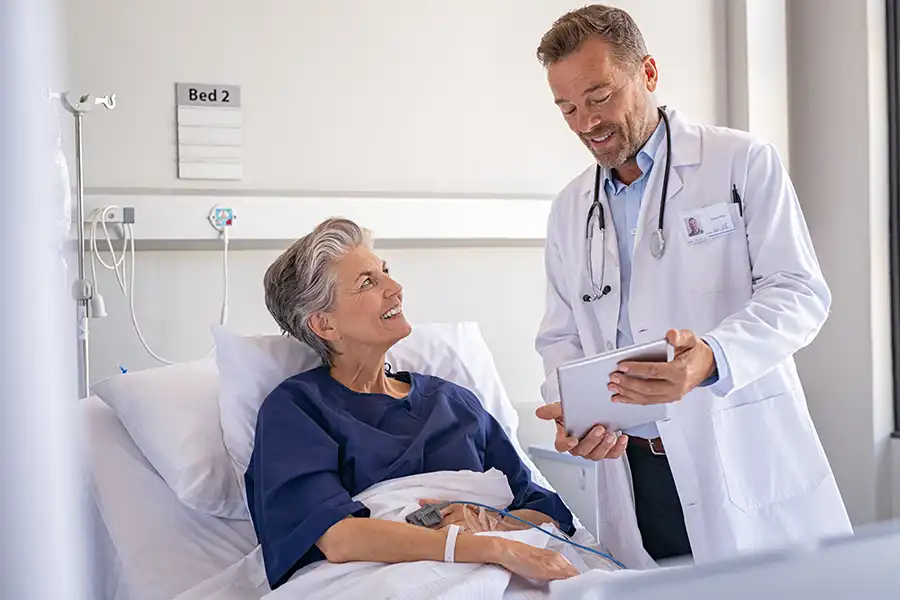
A clinic is not merely a structure with a waiting room and an exam table—it is a human space. It is where a nervous parent brings their feverish child. It is where an elderly woman gets her blood pressure checked every week. It is where a young adult seeks help for anxiety without fear of judgment. These human moments demand more than medical expertise; they require kindness, patience, and trust.
Many modern clinics now invest in enhancing this human element—through calming interior design, patient education materials, bilingual staff, or simply by remembering a patient’s name. These details, though small, transform clinics into true sanctuaries of healing.
Looking Ahead: The Future of Clinics
As the global healthcare landscape continues to shift, clinics will play an even more central role in delivering care. Emerging trends include:
-
AI-powered diagnostics and chatbot triage
-
In-clinic wearable data monitoring
-
Mobile and pop-up clinics in underserved areas
-
Green, sustainable building practices for health and wellness alignment
-
Collaborative models integrating physicians, dietitians, psychologists, and physiotherapists under one roof
In short, the clinic of tomorrow will be smarter, more inclusive, more patient-centered—and just as essential as ever.
Conclusion: Small Spaces, Profound Impact
Clinics may be modest in size, but their impact is monumental. They provide care not only when we are sick, but also when we are seeking answers, reassurance, or prevention. In a world increasingly defined by complex systems and impersonal structures, the local clinic remains one of the most human institutions—a place where healing begins with a conversation, a touch, or a simple act of listening. And in that, it holds a quiet, steadfast power.