

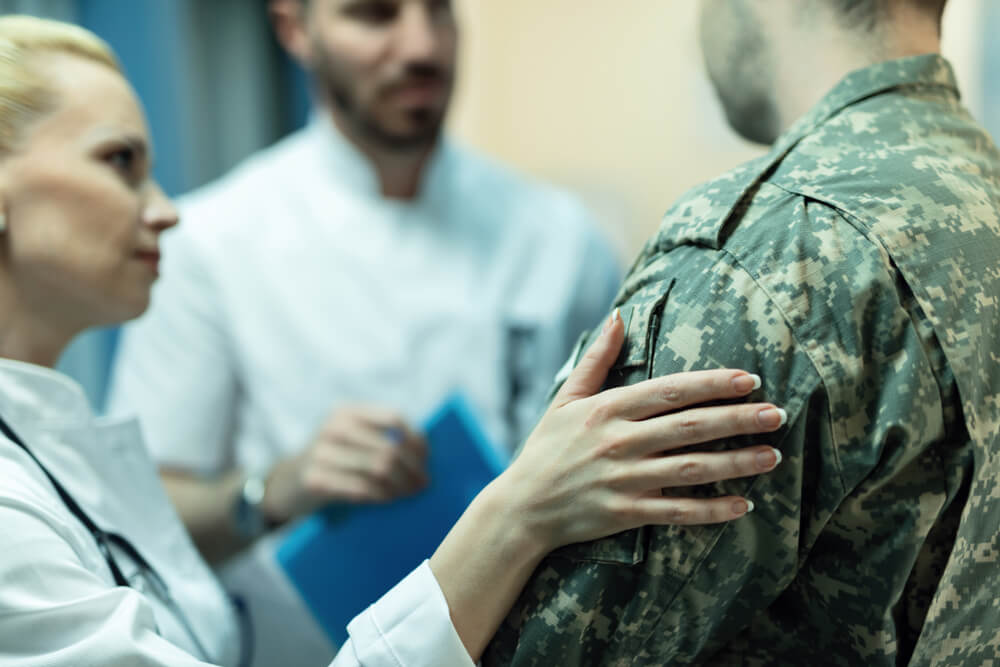
Serving in the Australian Defence Force can leave lasting marks on both body and mind. Access to quality Veteran Medical care helps former personnel manage physical injuries, mental health conditions, and the long process of returning to civilian life. Across Australia, a network of services now supports veterans through every stage of recovery.
Veteran medical support in Australia covers far more than treatment for combat-related injuries. It addresses chronic pain, hearing loss, musculoskeletal conditions, post-traumatic stress, anxiety, and depression. Many veterans face challenges years after their service ends, which is why ongoing care matters so much. General practitioners, specialists, and allied health professionals work together to build treatment plans suited to each person.
The Department of Veterans’ Affairs (DVA) plays a central role in coordinating veteran medical services. Through DVA health cards, eligible veterans can access funded treatment for accepted conditions. The Gold Card covers all clinically necessary care, while the White Card supports treatment for specific accepted injuries or illnesses. These cards give former personnel access to a wide range of practitioners without heavy out-of-pocket costs.
Physical Rehabilitation
Recovery from injury often requires structured, long-term support. Physiotherapists, occupational therapists, and exercise physiologists help veterans regain strength, mobility, and independence. Rehabilitation programmes are tailored to individual goals, from returning to work to simply managing daily tasks with greater ease.
For veterans living with permanent impairment, assistive technology and home modifications can make a real difference. Support may include mobility aids, home adjustments, and vehicle modifications. These practical measures help people stay active and connected within their communities.
Mental Health Care
Mental health support forms a large part of veteran care in Australia. Open Arms, the national counselling service, offers free and confidential support to current and former ADF members and their families. Services include individual counselling, group programmes, and around-the-clock phone support.
Many veterans benefit from treatment tailored to service-related trauma. Psychologists and psychiatrists experienced in military health understand the pressures that come with deployment and transition. Peer support programmes also connect veterans with others who share similar experiences, reducing isolation and building trust.
Supporting the Transition
Leaving the defence force marks a major life change. The transition from structured military routines to civilian life can affect health, relationships, and employment. Coordinated care during this period helps veterans settle in and find stable footing.
Support extends to families too. Partners and children often carry part of the load, and services now recognise the value of including them in care planning. Family counselling and education programmes help households adjust together.
Looking Ahead
Australia continues to expand and refine the care available to former personnel. Telehealth has widened access for those in regional and remote areas, connecting them with specialists who might otherwise be hours away. Research into military health also feeds back into better treatments and stronger prevention.
A comprehensive approach recognises that health and rehabilitation are ongoing. By combining physical care, mental health support, and practical assistance, Australia works to give veterans the resources they need to live full, healthy lives after service.